Portfolio
Konek Market
Turning Indonesia's Hidden ISP Market into a Platform Users Actually Trust
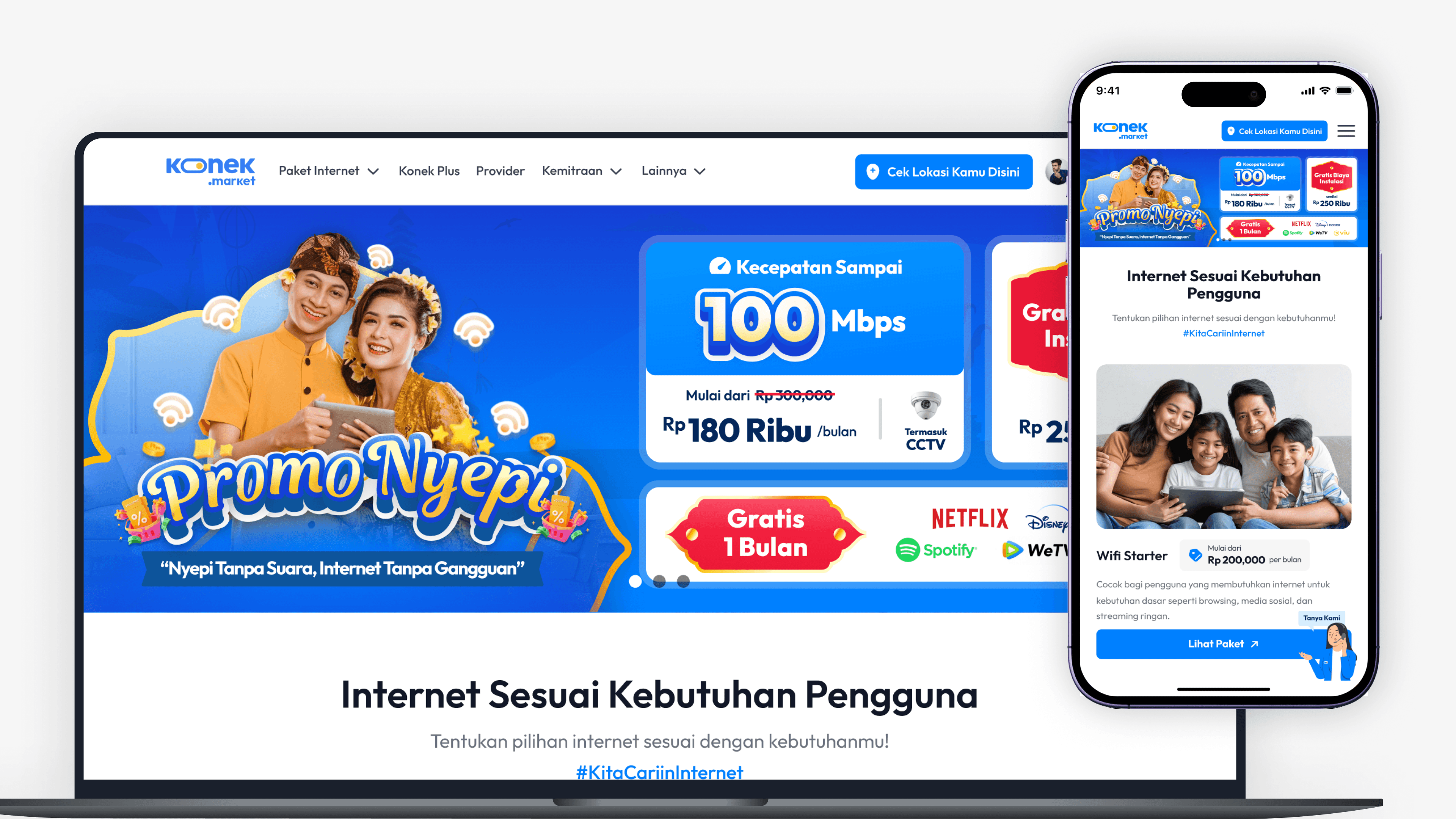
Project at Glance
Indonesia has hundreds of local ISPs offering competitive internet packages at a fraction of the price of national providers. Most people have never heard of them. Not because the options don't exist — but because there was no reliable way to find, compare, and trust them.
Konek Market was built to solve exactly that: a consumer web platform that aggregates local broadband providers, making it possible for anyone to find the right internet package for their needs, from a provider they can trust, in their own area. As the product designer on this project, I led the full process — from research and UX strategy through UI design and user testing — to turn that vision into a platform that works for both consumers and local ISPs.
Period
January 2024 — December 2026
Role
Product Designer
Scope
Research, UX Strategy, UI Design, Testing & Analytics
Platform
Consumer Web Platform
Industry
Telecommunications / ISP
Website
Measurable Impact
3X
More Providers Found Compared to Manual Search
Directly expanding the competitive landscape for local providers and giving consumers choices they didn't know existed.
60%
Reduction in Customer Support Load
Automated installation tracking and self-help troubleshooting guides reduced the operational burden on the customer support team
74%
Transaction Completion Rate
Validating that the redesigned booking experience removed the friction that had previously caused drop-off at the decision moment
40%
Increase in Conversion Intent
Significantly increased users' willingness to complete a subscription, proving that trust is the primary driver of conversion in this category.
01
Problem Discovery
Business Problem
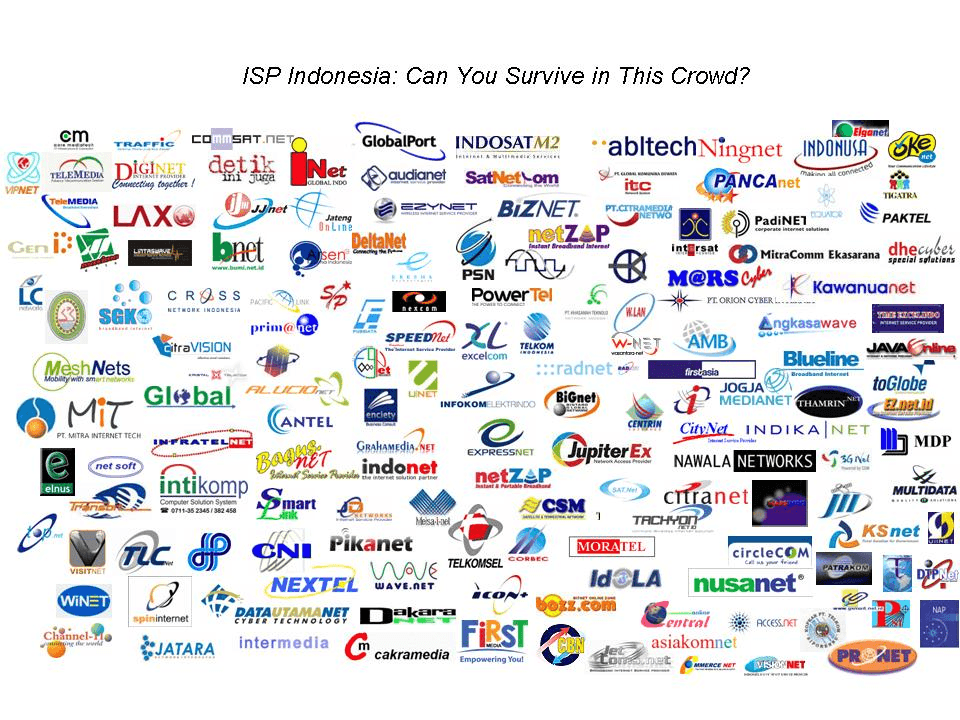
Local ISPs across Indonesia operate in the same districts as national providers — offering faster speeds, lower prices, and more flexible packages. Yet they remain almost entirely invisible to consumers. Without a discovery channel, local ISPs compete at a severe disadvantage: they can't acquire customers who don't know they exist, and consumers keep overpaying for national providers by default. This invisibility isn't a marketing problem — it's an infrastructure problem that no platform had addressed.
User Problem
When we talked to users, the picture became even clearer. 11 out of 12 respondents could only name 1–2 national ISP brands, despite having 5 or more local providers operating in their area. 62% were paying more than they needed to. And even when users did find a local ISP, trust became the next barrier — they had no way to verify quality, read reviews, or understand what they were actually signing up for. The problem wasn't just discovery. It was the entire journey from awareness to confident purchase.


02
Design Goals
Make Local ISPs Discoverable
A user should be able to find all available internet providers and packages in their area within the first minute of opening the platform — without needing to know the ISP's name beforehand.
Build Trust Before the Decision
For most users, subscribing to an unknown local ISP is a leap of faith. The platform must provide enough credibility signals — ratings, reviews, verified speeds, and provider profiles — to make that leap feel safe.
Seamless Journey from Decision to Connection
The moment a user decides to subscribe, nothing should slow them down — and nothing should leave them guessing afterward. The booking flow must be fast and completable without assistance, while real-time installation tracking and accessible support must be built in as core parts of the experience — so users feel confident both at the point of purchase and in the days that follow.
Drive Retention With Value
Acquisition without retention is a leaking bucket. The platform must give subscribed users reasons to return — billing management, payment history, renewal reminders, and service monitoring — so Konek Market becomes part of how users manage their internet, not just how they found it.
Build Loyalty Through Accountability
Long-term loyalty in this category is earned through consistency and transparency. Users who can track their service quality, report issues and see them resolved, and access their full transaction history are users who stay — and recommend the platform to others. Every post-purchase touchpoint is an opportunity to strengthen or break that relationship.
03
My Design Process
Stage 1 — Discovery & Research
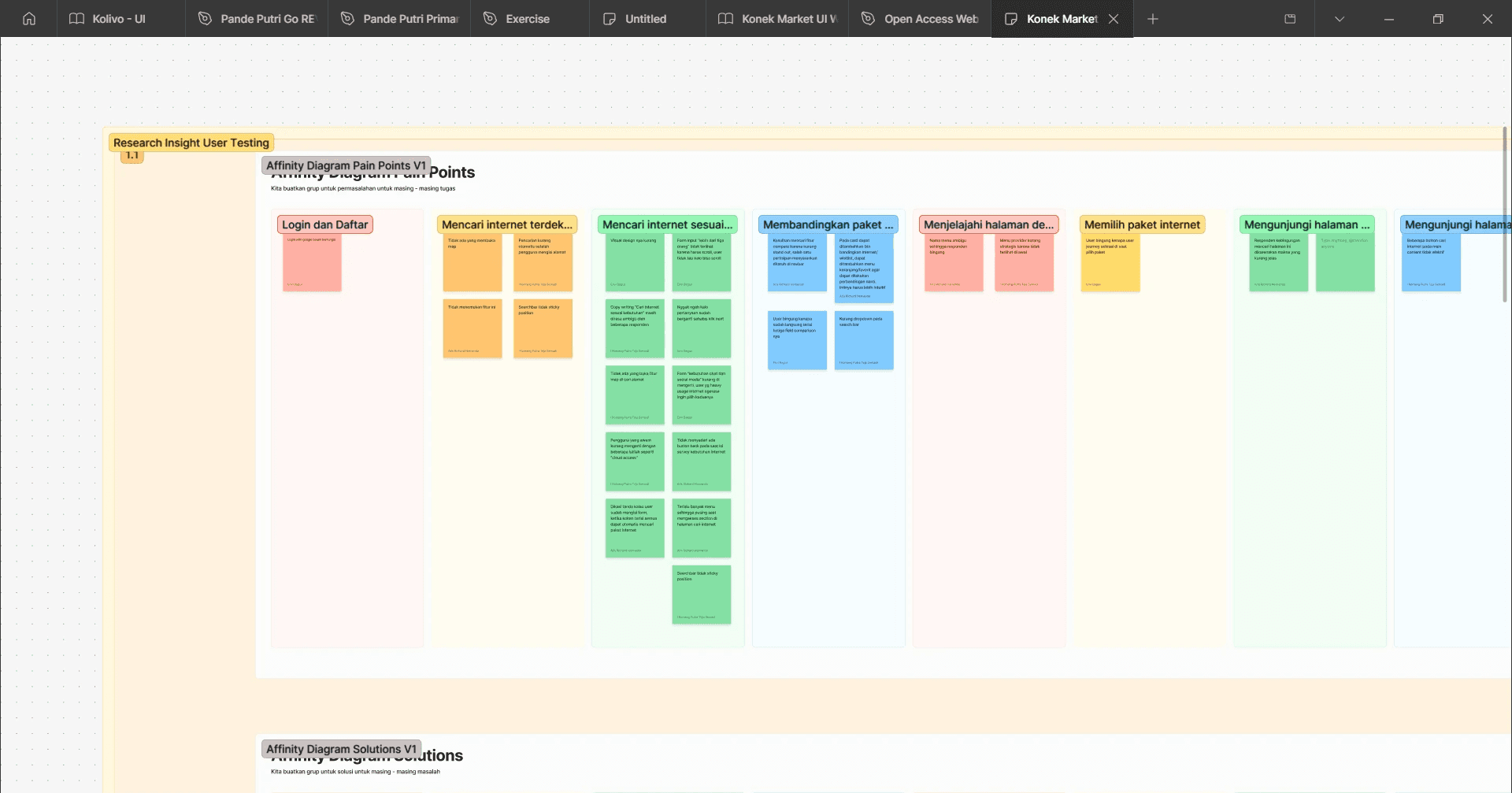
I started by interviewing users about how they currently find and choose internet providers. The findings were striking: the problem wasn't comparison — it was discovery. Most users didn't know local ISPs existed at all, let alone how to evaluate them. I documented four core pain points that would guide every design decision that followed: visibility gap, trust deficit, post-registration anxiety, and the cost of ignorance.

Stage 2 — Strategy & Trade-offs
I mapped three possible strategic directions for the platform. Option A (Pure Marketplace) led with ISP listings — familiar but risky, as it assumed users had ISP preferences they didn't yet have. Option B (Package-Forward) led with packages — better for browsing but risked reducing ISPs to commodities. I chose Option C: Dual Parallel Entry Points — two paths into the platform that meet at the ISP profile page. One path for users who browse by package outcome, another for users who prefer to explore by provider. This respected both mental models without splitting the product.

Stage 3 — Information Architecture & User Flow
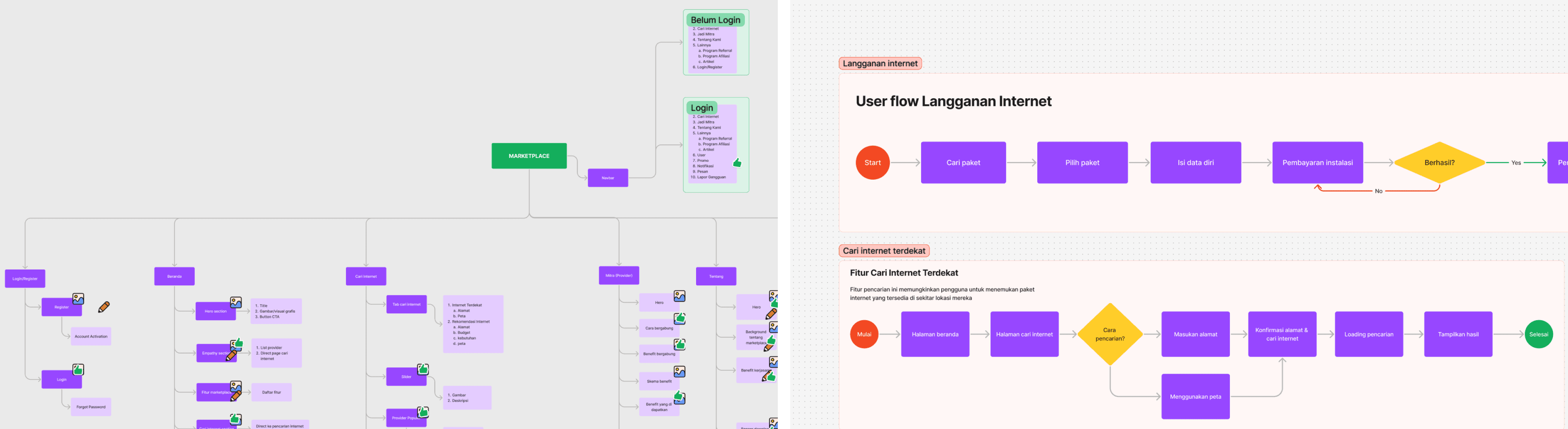
I mapped the full user journey for two core flows — finding an internet package and finding a local provider — and identified where they naturally converge. The ISP profile page became the trust hub of the platform: the place where package data, provider credibility, community reviews, and booking all lived together.
Stage 4 — UI Design
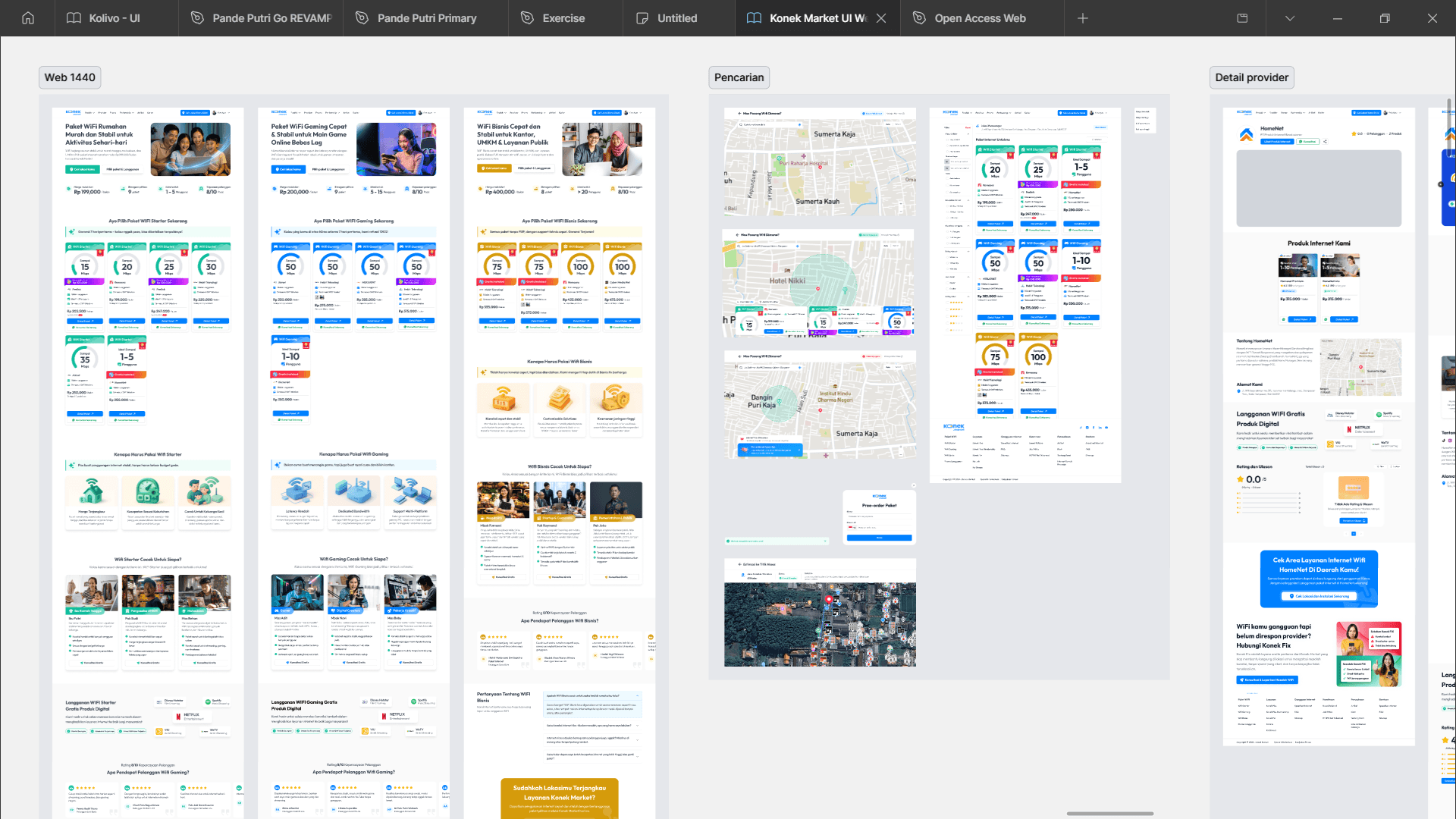
With a clear architecture in place, I moved into high-fidelity design. Every component was built to serve a specific decision moment in the user journey — from the package comparison table (built to make trade-offs scannable in seconds) to the booking flow (designed to be completable in under two minutes). I maintained consistency across the platform through a design system that could scale as the product grew.
Stage 5 — Review & Iteration
I ran usability tests with real users across the core flows. Key insights from testing directly influenced final design decisions — including simplifying the registration form and adding real-time installation tracking after users consistently expressed anxiety about what happened after they signed up.
04
UI Mockups
Tailored Internet Packages
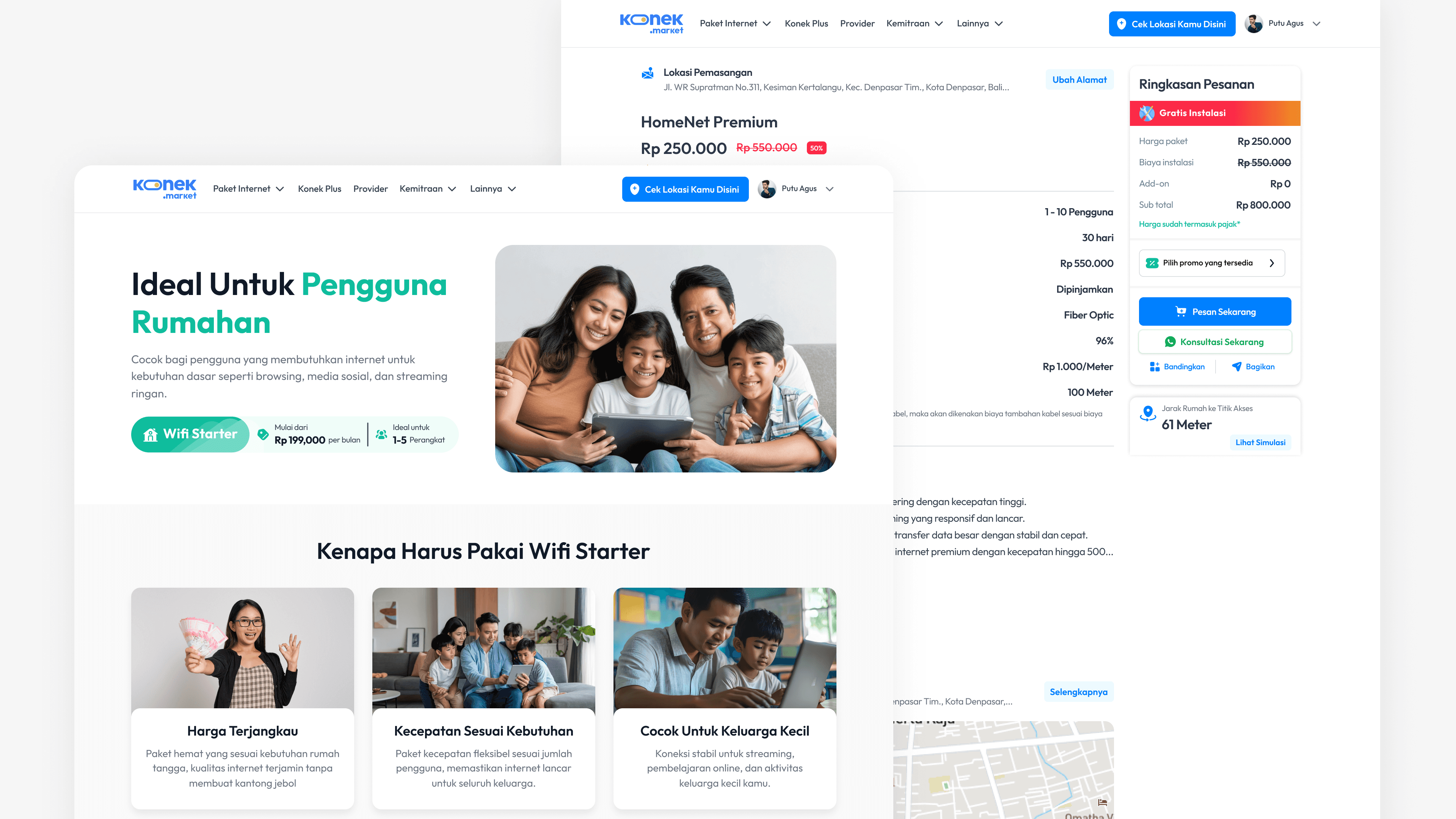
The package discovery page was designed around one insight from research: users don't know what speed they need — they know what they use the internet for. Packages are presented with outcome-first framing (streaming, gaming, working from home) rather than technical specs, with transparent pricing and verified speed data front and center. This directly addresses the 62% of users who were overpaying simply because they couldn't make an informed comparison.
Find Trusted Providers (ISP)
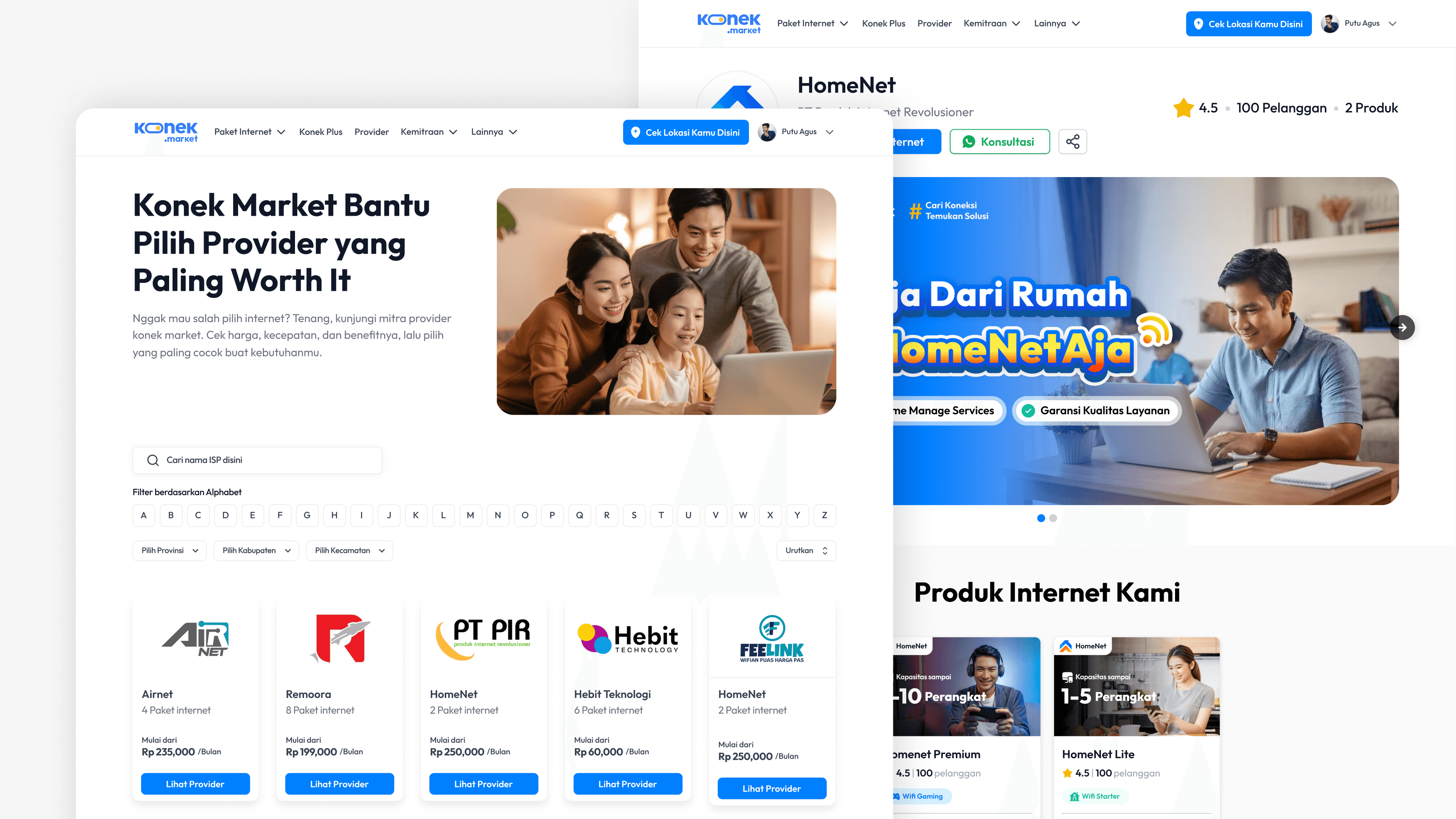
The provider discovery page was built as the trust infrastructure of the platform. Beyond listing ISPs, it surfaces everything a user needs to make a confident decision — promotions, office locations, verified reputation scores, and product offerings — in a single profile. For local ISPs with no existing brand recognition, this page is their first credible digital presence. For users, it transforms an unknown name into a vetted option.
Effortless Package Comparison
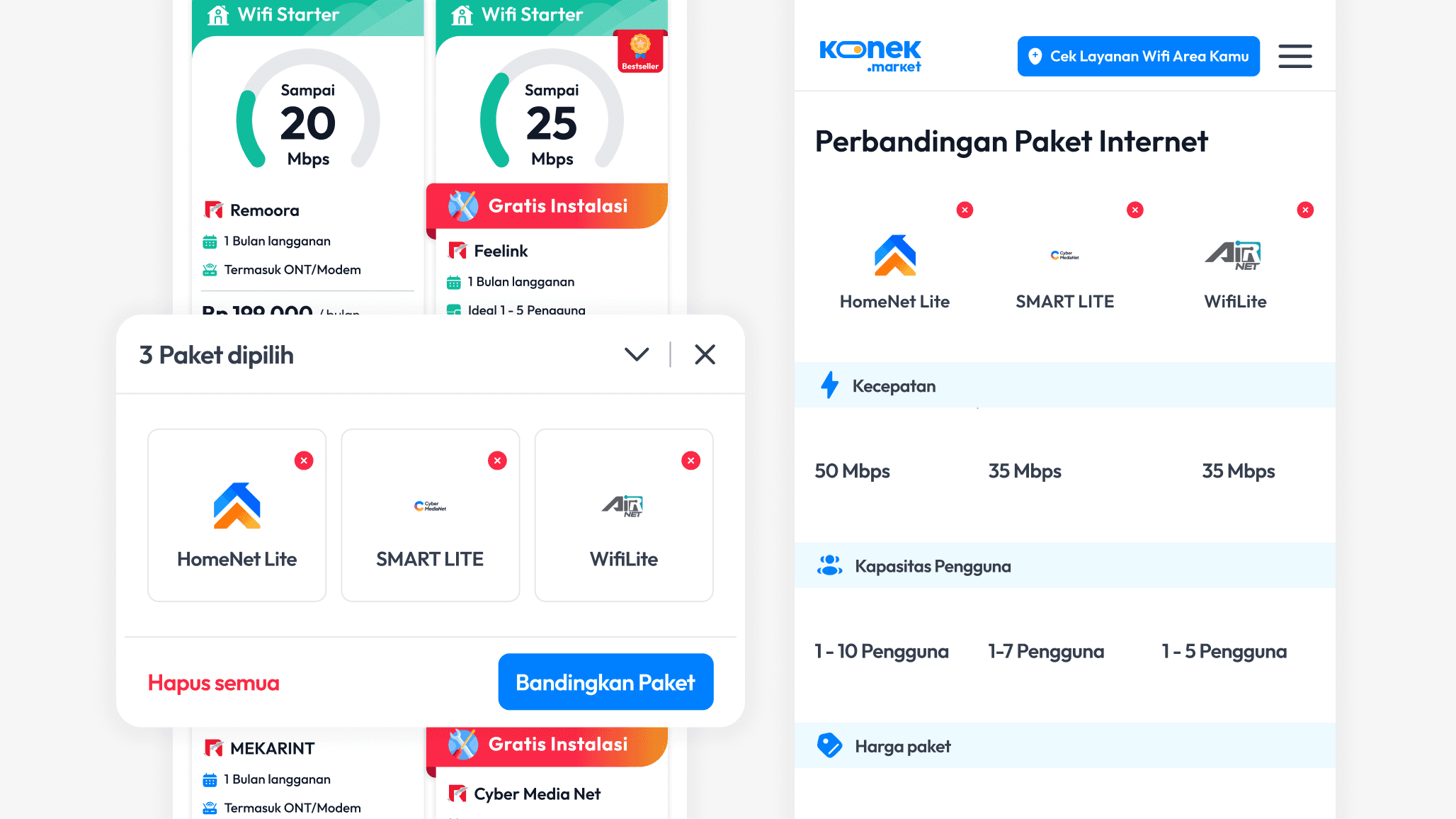
Side-by-side comparison was designed with one goal: eliminate the guesswork. Users can compare up to three packages simultaneously across speed, price, user capacity, and extra benefits — displayed in a scannable table that makes the right choice obvious within seconds. This feature directly addresses the research finding that users were overpaying not out of preference, but out of inability to compare.
Simple & Fast Booking
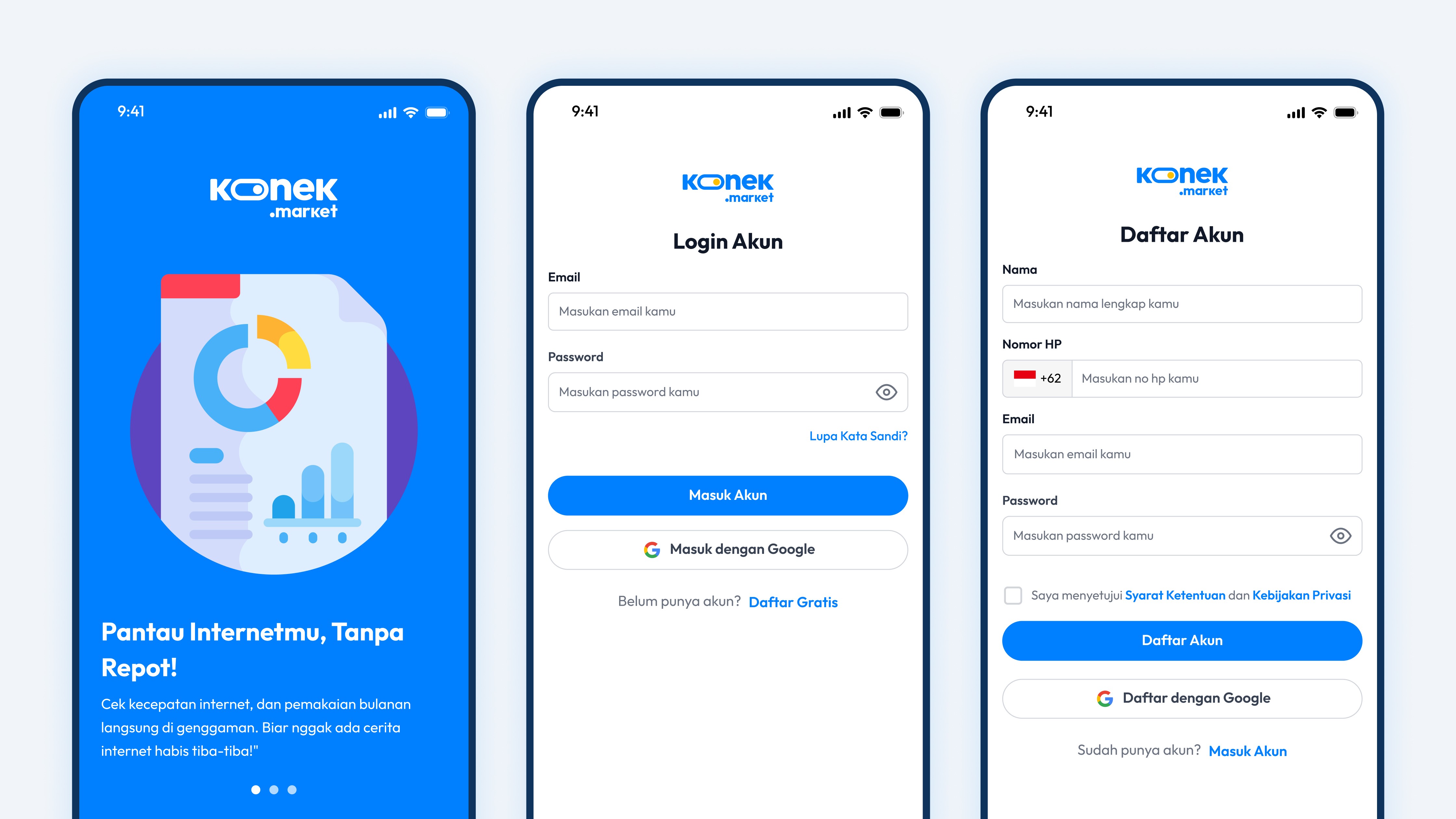
Registration was redesigned from the ground up after testing revealed that form complexity was the primary drop-off point. The new flow strips away every non-essential field, uses location detection to pre-fill area data, and guides users through confirmation in a sequence that mirrors how they naturally think about the decision. The result is a booking experience completable without assistance — the baseline standard we set as a design goal.
Secure & Easy Payments
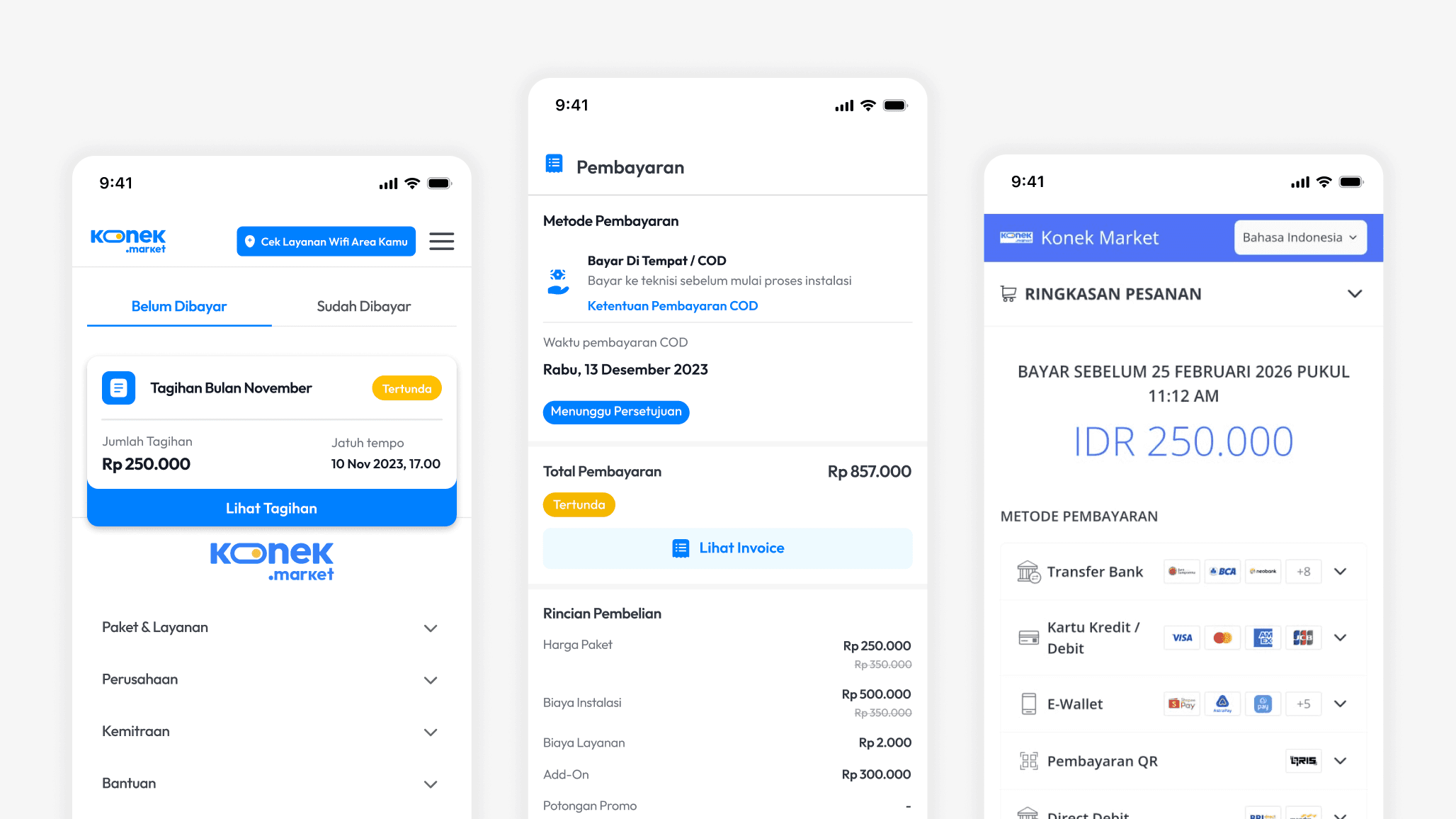
The payment module was designed to handle both installation fees and ongoing monthly billing in a single, unified flow — with WhatsApp notifications integrated so users never miss a due date. Multiple payment methods are supported to reduce barriers for users across different financial habits. Every confirmation state was designed to be explicit and reassuring, because payment anxiety is real and a poorly designed confirmation screen can undo a successful sale.
Instant Support & Troubleshooting
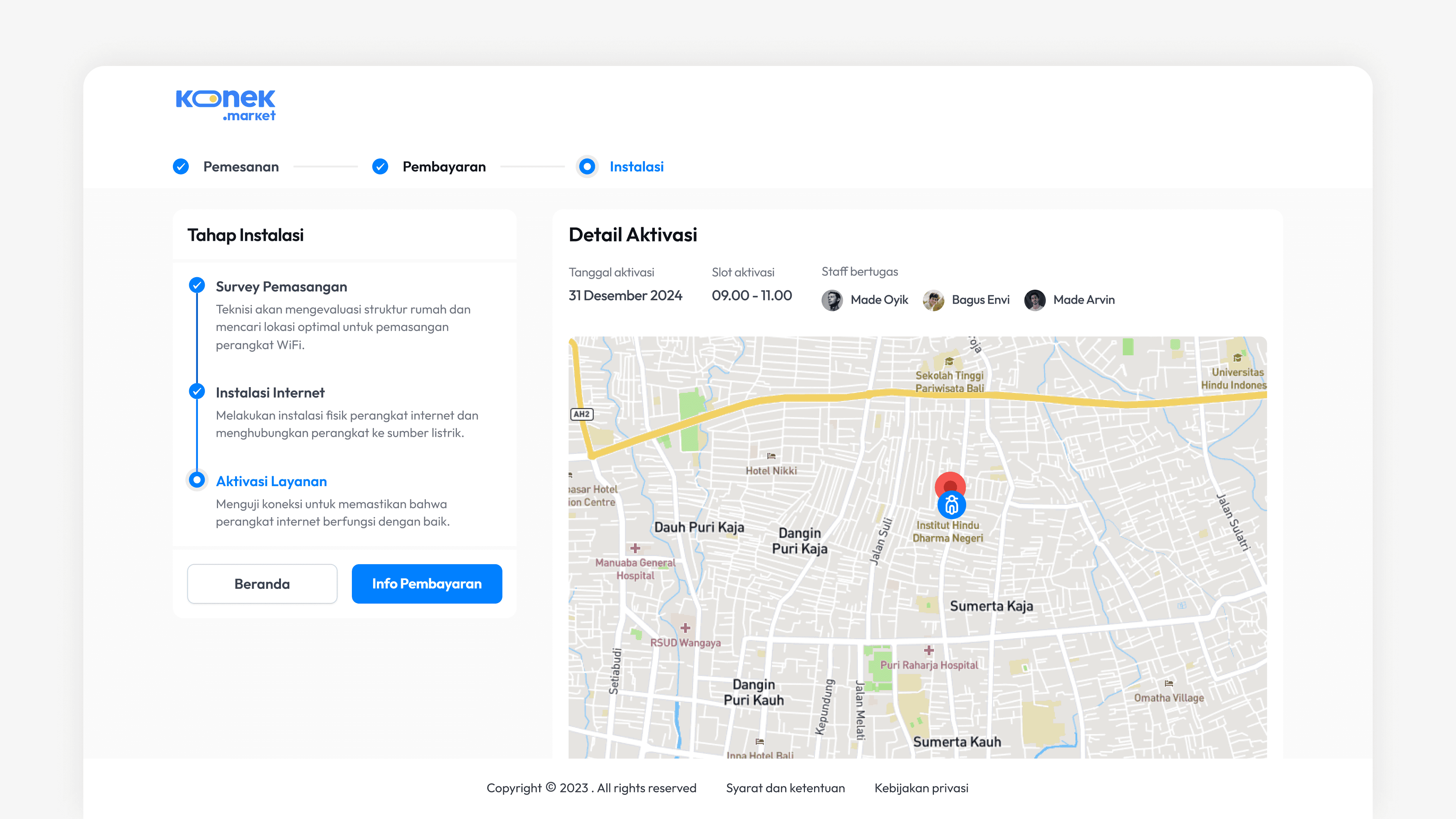
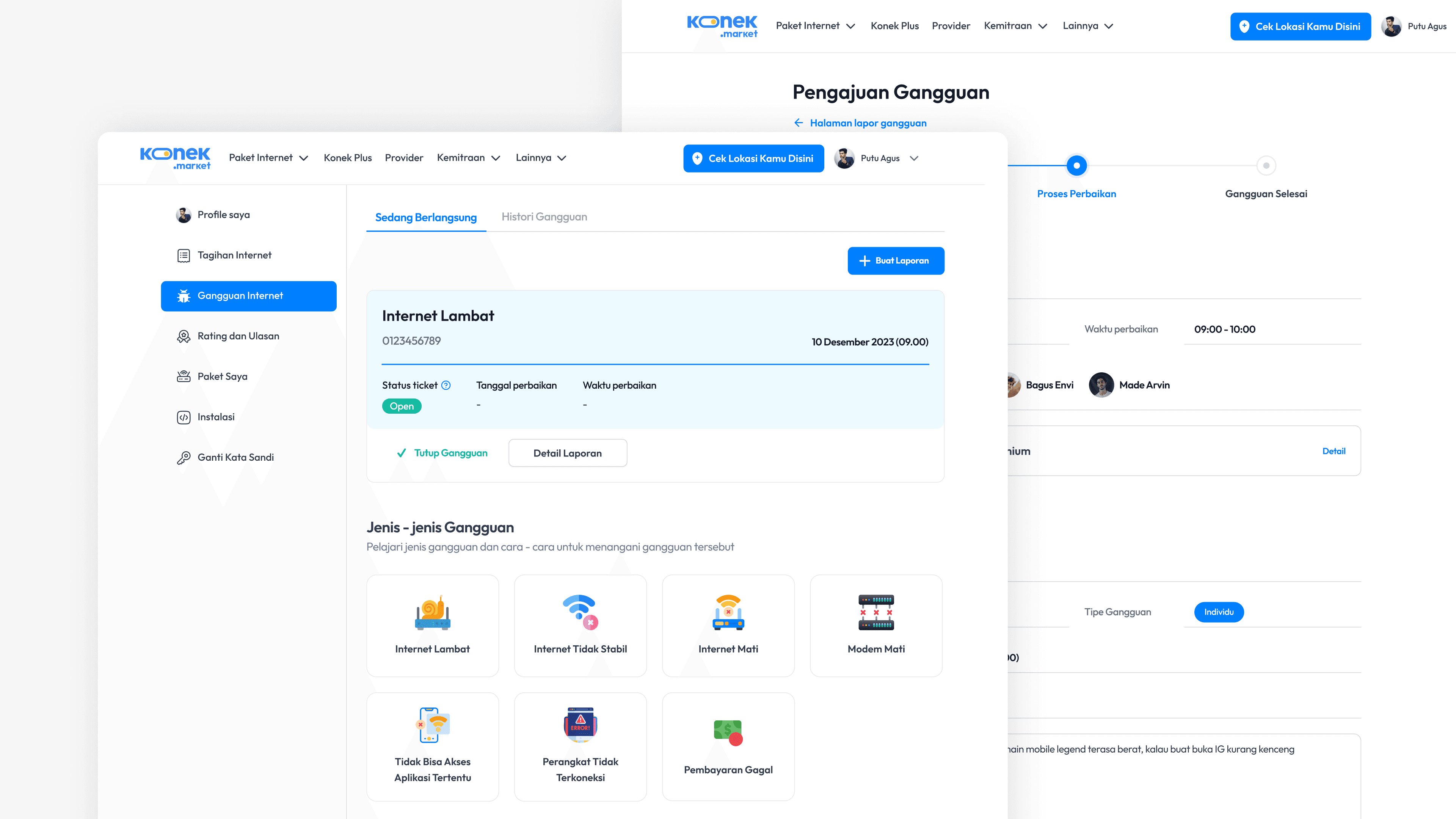
Post-subscription anxiety was one of the four core pain points identified in research — and the support experience was designed specifically to address it. Users can report connectivity issues in one tap, access self-help guides for common problems, and track the status of their support request in real time. This feature exists not just to solve problems, but to communicate that Konek Market is present and accountable after the purchase — which is what builds the trust that drives repeat use.
05
Results
Measurable Impact
3X
More Providers Found Compared to Manual Search
Directly expanding the competitive landscape for local providers and giving consumers choices they didn't know existed.
74%
Transaction Completion Rate
Validating that the redesigned booking experience removed the friction that had previously caused drop-off at the decision moment
60%
Reduction in Customer Support Load
Automated installation tracking and self-help troubleshooting guides reduced the operational burden on the customer support team
40%
Increase in Conversion Intent
Significantly increased users' willingness to complete a subscription, proving that trust is the primary driver of conversion in this category.
Lessons & Reflection
The Biggest UX Problem Wasn't in the Interface — It Was in the Market
This project taught me that sometimes the most important design decision happens before you open Figma. We started with a hypothesis that users needed a better comparison tool. Research showed they needed something more fundamental, a way to know that local ISPs even existed. Reframing the problem from "help users compare" to "help users discover, trust, and commit" changed every design decision that followed — and it's the reason the impact metrics look the way they do. The lesson I carry from this: the quality of your research determines the ceiling of your design.
Got a product problem?
Let's solve it together.
Available for freelance, team collaboration, or full-time — from research to shipped product.
AVAIBLE FOR WORK & COLLABORATION
Contact Now
10+
Projects Shipped
5+
Happy Clients
3x
Design ROI
4+
Years Experience
Research-driven
End-to-end delivery
Measurable business impact
Multi-domain product